November 19, 2026
Explore the essential aspects of wheel repair services, from understanding common issues to selecting the right service provider, ensuring your wheels are safe and performing optimally. Wheels are crucial to the functionality and safety of any vehicle, and any damage can significantly affect performance. Repair services provide the solutions needed to tackle common wheel-related problems effectively. Understanding the scope and types of repair available enables vehicle owners to make informed, beneficial decisions. Raising awareness about the importance of maintenance and repair helps preserve vehicle safety and performance.
1. Types of Wheel Damage
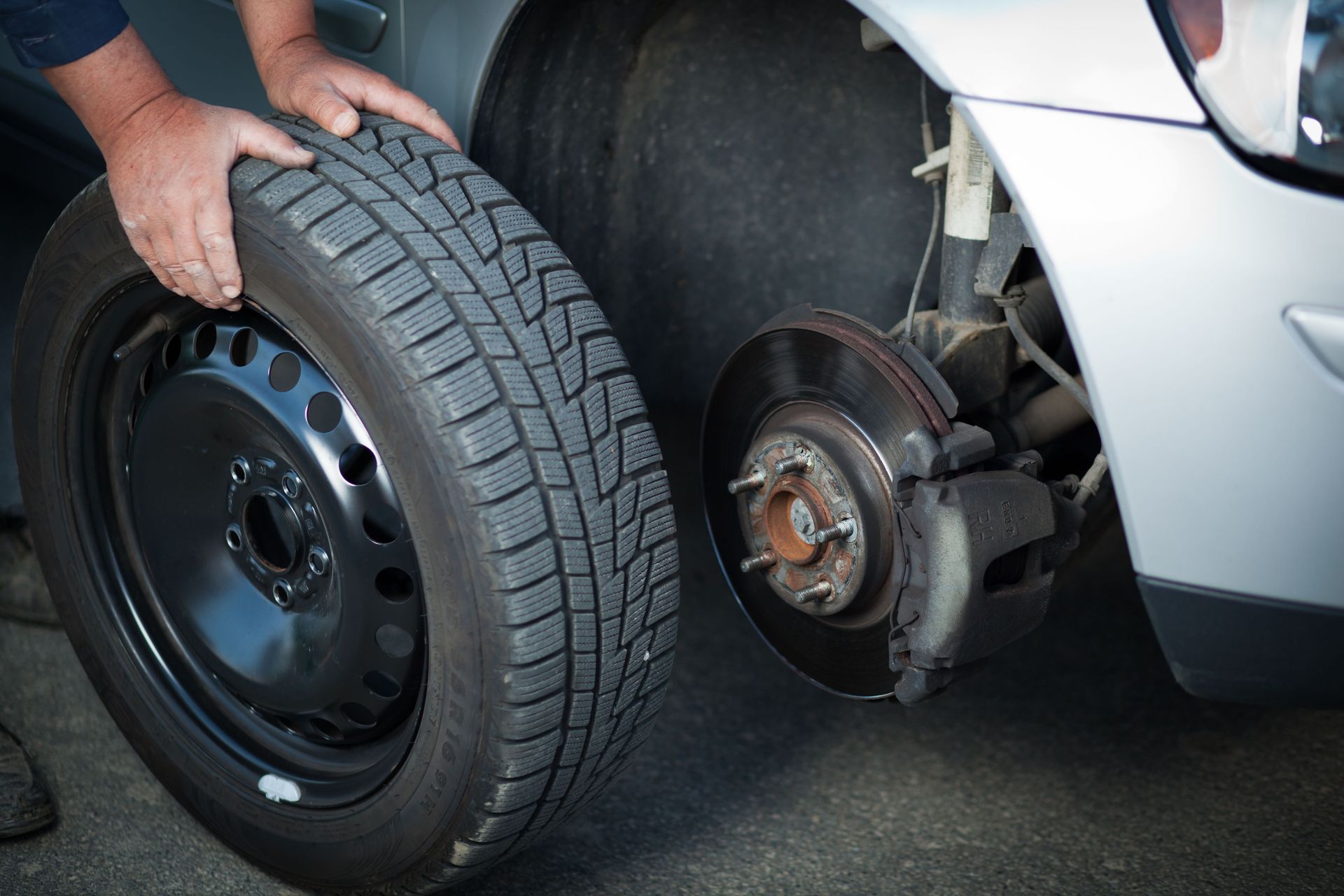
Wheels can suffer from a variety of problems, and identifying the specific type of damage is crucial for selecting the appropriate repair method. Common forms of wheel damage include bent, cracked, and corroded wheels, all of which can severely impact driving safety and comfort. Bent wheels often occur due to potholes or curb collisions, leading to vibrations and imbalanced rides. Cracked wheels, sometimes invisible to the naked eye, pose a significant safety risk as they can lead to sudden wheel failure. Corrosion, often resulting from exposure to road salts and grime, undermines the structural integrity of wheels over time.
Understanding different types of wheel damage is crucial in addressing the specific needs and options for repair or replacement. Cracks may require welding, while bends may need straightening—a process requiring professional expertise and equipment to restore the wheel's true shape. Unaddressed, these damages can extend beyond inconvenience, risking severe road accidents due to tire blowouts or wheel separation. Moreover, neglected corrosion can make wheels susceptible to further physical damage, raising replacement costs. By accurately identifying damage, vehicle owners can prevent the escalation of minor wheel issues into major repair needs.
Detecting the initial signs of such damages early can prevent much more costly repairs in the future. Regular inspections can help identify signs like unusual vibrations, uneven tire wear, or unusual noises, indicating underlying wheel problems. Repair services have advanced diagnostic tools, making them capable of unveiling hidden issues that everyday inspections might miss. Utilizing professional services ensures early detection, which can save on potential future expenses while maintaining vehicle safety. This proactive approach helps prolong the lifespan of both the wheels and tires, ensuring optimal performance.
2. Causes of Wheel Damage
Wheel damage is often caused by a variety of road and environmental conditions. Hitting potholes or curbs at high speeds can distort wheel shapes, leading to imbalance and uneven tire wear. Additionally, the year-round exposure to elements such as snow, ice, and road salts can accelerate corrosion, especially in alloy wheels. Another cause is the improper installation of tires or the use of inadequate torque when fastening lug nuts, both of which can create weaknesses in wheel integrity. Misalignment due to various road conditions can also exacerbate these issues, leading to further damage.
Driving on poorly maintained roads increases the likelihood of encountering harmful road conditions. Absence of proper road maintenance can leave vehicles vulnerable to debris and rough patches, which often result in wheel wear and tear. Vehicle owners are often unaware of how speed and driving style directly impact wheel integrity, as sharp turns and abrupt stops can have detrimental effects. Mechanically, worn suspension components can impose irregular stress on wheels, escalating minor existing damages. Understanding these causes allows for better precautionary measures and driving habits.
Furthermore, there is often a lack of awareness concerning the impact of weather and external elements on wheel conditions. Seasonal transitions often challenge wheel integrity, with thermal expansion and contraction influencing the durability of wheel materials. Wet conditions combined with freezing temperatures can lodge moisture into any small cracks or crevices, exacerbating rust or structural compromises. Therefore, understanding these environmental impacts—even as motorists only see a visual aspect—can help in prioritizing timely checks. By recognizing and addressing these causes early, further deterioration can be prevented.
3. Identifying Signs of Wheel Issues
Identifying signs of wheel problems at an early stage is essential in maintaining both vehicle performance and safety. Wheel issues often manifest through vibrations, especially at higher speeds, which typically indicate misalignment or a bent wheel. An increase in road noise or an unusual thumping sound can also be warning signals of impending wheel issues. Frequent loss of tire pressure is another potential symptom, possibly indicating wheel damage where air escape is more pronounced. Monitoring these signs can help vehicle owners take timely measures to rectify the problems before they exacerbate.
Uneven tire wear patterns are often a subtle but clear indicator of underlying wheel problems. If tires wear out more quickly on one side or if the tread wear is concentrated on certain portions, it suggests alignment problems or imbalanced wheels. Drivers may not notice these until significant wear is evidenced, at which point tire replacement is inevitable. Employing regular wheel alignment checks can help in identifying and mitigating such issues early, prolonging the life of both the wheels and tires. Utilizing professional services for detailed inspections is a prudent step forward.
The uncertainty of road conditions and ongoing driving necessitates routine checks to avoid surprises regarding wheel health. Regular users of various terrains can particularly benefit from understanding the stress levels endured by their wheels. Educating oneself about normal versus abnormal vehicular responses can prevent unforeseen breakdowns or inefficient tire usage. Wheel repair services offer essential insights into current vehicle conditions, providing diagnoses that extend beyond superficial appearances. By acknowledging these signs and acting accordingly, vehicle safety is enhanced significantly.
4. Impact of Ignoring Wheel Problems
The impact of neglecting wheel problems is significant, potentially leading to costly damage and severe safety issues. For those who ignore wheel damage, the most immediate risk is a potential vehicle accident, as weakened or malfunctioning wheels can lead to loss of control. Over time, small issues can escalate, requiring full wheel replacements rather than simple repairs. Ignoring issues also leads to increased wear and tear on vehicle tires, impacting vehicle performance and potentially shortening their lifespan. Such oversight can result in financial repercussions far exceeding the cost of timely wheel repair services.
In addition to safety concerns, ignoring wheel problems can lead to less efficient fuel consumption. Misaligned or bent wheels result in more friction as the vehicle moves, which requires more power and additional fuel consumption. This not only increases fuel expenses but also elevates the environmental footprint of the vehicle unnecessarily. Moreover, continual usage of vehicles with compromised wheels increases stress on other integral vehicular components. Legally, faltering wheel conditions also potentially violate road safety standards, leading to penalties or failed inspections.
Peace of mind is another aspect compromised when wheel problems are ignored, as drivers live with ongoing uncertainty concerning vehicle reliability. A minor repair, if handled timely, saves significant inconvenience and mitigates unforeseen vehicle downtime. It is essential for vehicle owners to factor in the hidden costs—forgoing minor repairs can lead to major technical challenges. Active and regular maintenance, supported by professional repair services, ensures a smoother, stress-free driving experience. This preventive mindset enhances road safety for everyone and prolongs the lifespan of the vehicle.
Experienced providers showcase familiarity with advanced technology and machinery, facilitating precise and effective wheel repair solutions. Staying updated with industry advancements reflects a provider's commitment to improving the core service offerings and meeting evolving customer expectations. Techniques employed, like laser-guided diagnostics or environmentally friendly coatings, spotlight specialist expertise. According to Fortune Business Insights, wheels and tires held the largest market share of the automotive aftermarket industry, accounting for 39.5% of all replacement part market segments. Be sure to reach out to Velvet Touch Wheel Services today to learn more about our professional wheel repair services!