March 18, 2026
Your vehicle’s wheels are constantly exposed to rough roads, potholes, debris, and everyday wear. Over time, even the most durable wheels can develop damage that affects both performance and safety. Knowing the warning signs early can help you schedule wheel repair before minor issues turn into expensive problems.
Recognizing Visible Wheel Damage
One of the most obvious signs that your wheels may need attention is visible damage. Scratches, bends, cracks, and curb rash are common problems that occur when wheels make contact with curbs, potholes, or road debris. While some cosmetic damage may seem minor, it can sometimes signal deeper structural issues that should not be ignored.
A bent or cracked wheel can compromise the overall stability of your vehicle. Even a small crack can gradually expand as you continue driving, especially if the wheel experiences repeated pressure from bumps or rough roads. In these situations, a professional inspection can determine whether wheel repair is sufficient or if replacement is necessary.
Drivers should also pay attention to corrosion or peeling finishes on alloy wheels. Exposure to moisture, road salt, and chemicals can gradually weaken the protective coating, leading to further deterioration. Addressing these issues early through professional wheel services helps preserve the structural integrity of your wheels and maintain their appearance.
Noticing Vibrations While Driving
Vibrations in the steering wheel or throughout the vehicle can often indicate a wheel-related problem. While tire balance issues are a common cause, damaged or bent wheels may also create vibrations that become more noticeable at higher speeds. If the vibration persists even after a tire rotation or balance, the wheels themselves may require inspection.
A bent wheel can prevent the tire from maintaining consistent contact with the road surface. This imbalance leads to shaking that may feel mild at first but can worsen over time. Ignoring these vibrations may eventually place additional stress on your suspension components.
Professional technicians can evaluate the wheel structure and identify whether straightening or refinishing is needed. Addressing the problem promptly with proper wheel repair helps restore a smoother driving experience and reduces unnecessary wear on other parts of your vehicle.
Watching for Air Pressure Loss
Frequent or unexplained air pressure loss in your tires can sometimes point to wheel damage. Wheels that are bent or cracked may prevent the tire from sealing properly against the rim, allowing air to escape slowly over time. If you find yourself refilling the same tire repeatedly, it may be time to inspect the wheel itself.
Leaks around the bead area—the point where the tire meets the wheel—are especially common when wheels have been impacted by potholes or road hazards. In these cases, technicians may be able to restore the wheel’s shape and sealing surface through specialized wheel service techniques.
Maintaining proper air pressure is essential for fuel efficiency, tire longevity, and safe handling. Identifying the root cause of air loss ensures that the issue is resolved correctly rather than temporarily masked with repeated tire inflation.
Paying Attention to Unusual Tire Wear
Your tires can often reveal hidden wheel problems. If you notice uneven or accelerated tire wear, your wheels may not be maintaining proper alignment or balance. Damage to the wheel structure can change the way the tire contacts the road, causing certain areas of the tread to wear faster than others.
Uneven wear patterns may appear as excessive wear along the edges of the tire or patches of smooth rubber across the tread. While alignment issues are often responsible, bent wheels can also contribute to these irregular patterns. When left unresolved, uneven wear can shorten tire lifespan and reduce overall traction.
A professional inspection can determine whether the issue stems from alignment, suspension components, or the wheels themselves. When wheels are the source of the problem, timely wheel repair can restore proper contact with the road and help protect your tires from premature damage.
Monitoring Changes in Vehicle Handling
Changes in how your vehicle handles can also signal wheel damage. If your car suddenly feels less stable when cornering or begins pulling slightly to one side, the wheels may no longer be functioning as intended. These subtle changes can develop gradually, making them easy to overlook until they become more pronounced.
Wheels play a critical role in maintaining consistent traction and balance. When they become bent or damaged, the vehicle’s ability to distribute weight evenly across all four tires may be affected. This imbalance can lead to reduced control, particularly during sudden maneuvers or emergency braking situations.
Routine inspections and maintenance can help identify these problems before they become serious. Drivers who address handling issues early often find that professional wheel services restores the vehicle’s responsiveness and overall driving comfort.
Understanding the Impact of Potholes and Road Hazards
Potholes are among the most common causes of wheel damage. When a vehicle strikes a deep pothole at speed, the impact can bend the wheel rim or even cause cracks. Road debris, uneven pavement, and construction zones can also pose risks to your wheels.
Even if the impact seems minor at the time, damage can develop gradually. The force of the impact may weaken the metal structure, making the wheel more susceptible to further deformation during normal driving. Over time, these weaknesses can lead to vibration, air leaks, or handling issues.
Industry data highlights just how common durability-related vehicle problems can be. According to Brandon Gaille, 80% of car repairs are related to durability, which often includes damage caused by everyday driving conditions. Because wheels endure constant stress from road hazards, addressing problems early through proper wheel repair can help extend the life of your vehicle’s components.
Scheduling Regular Wheel Inspections
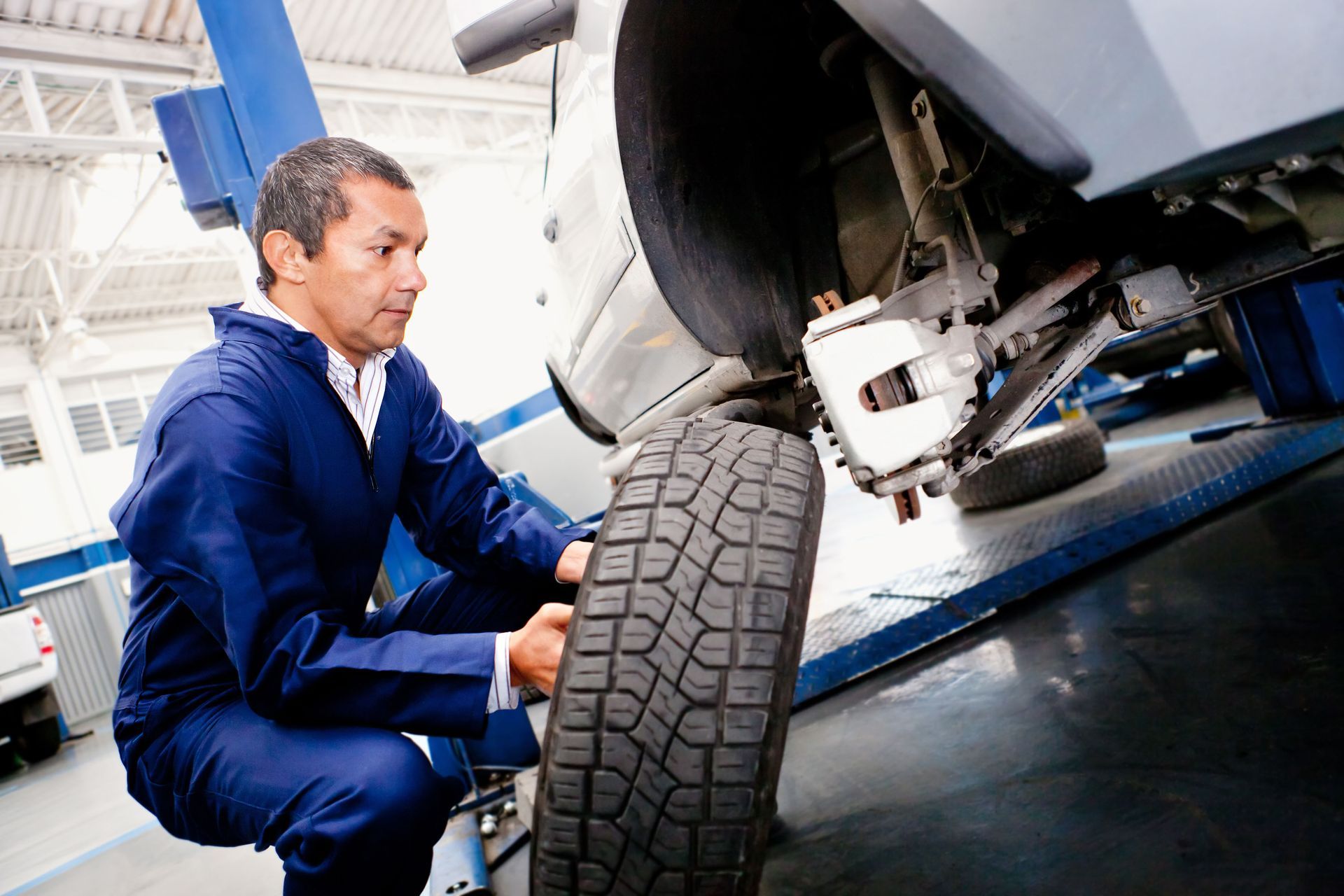
Preventive maintenance is one of the best ways to avoid serious wheel problems. During routine tire rotations or brake inspections, technicians can examine your wheels for early signs of damage such as small bends, cracks, or corrosion. Detecting these issues early makes repairs simpler and more affordable.
Regular inspections are particularly important for drivers who frequently travel on rough roads or in areas with heavy construction. Seasonal changes can also affect road conditions, increasing the likelihood of potholes or debris that may damage wheels.
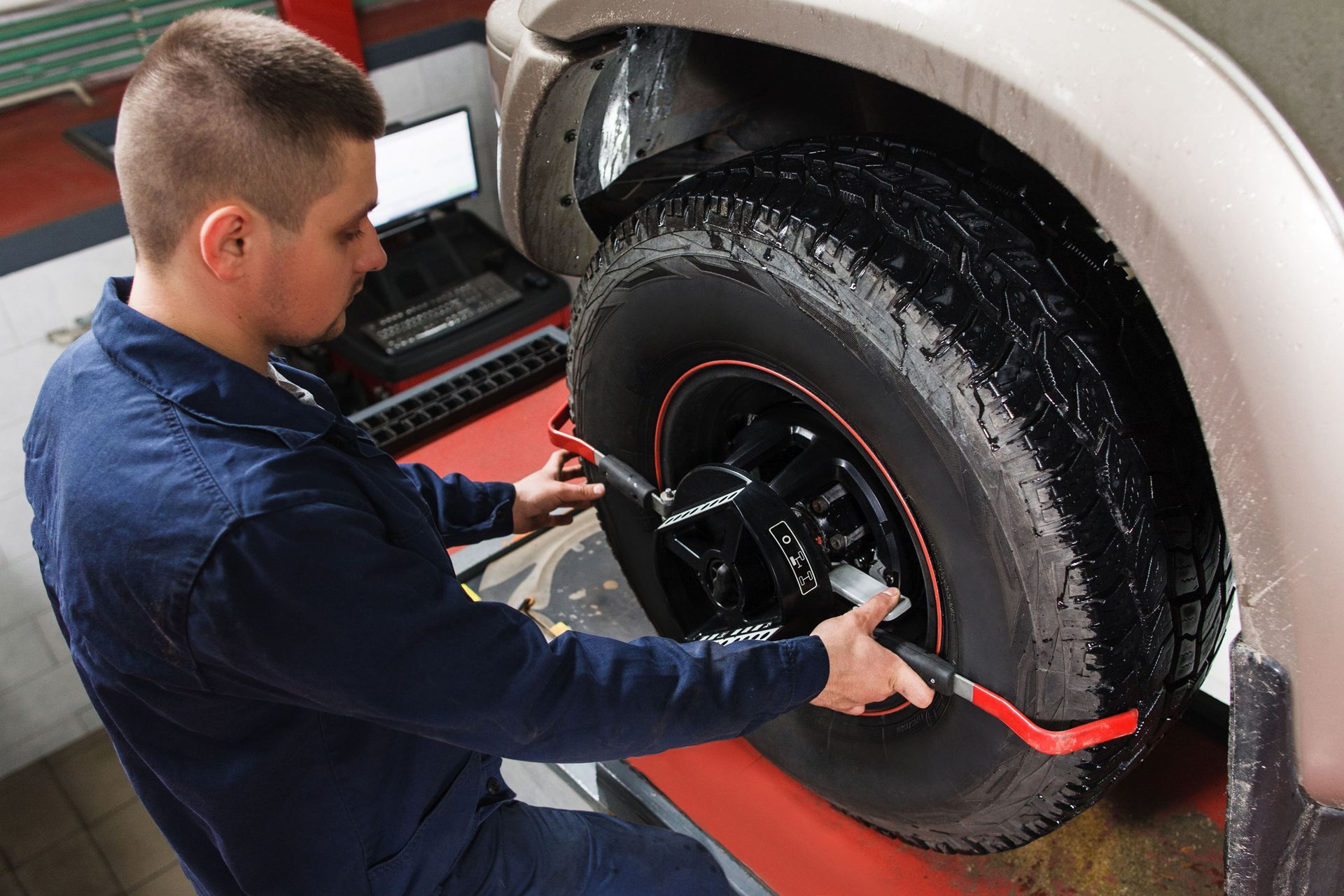
Professional technicians have specialized equipment designed to measure wheel runout and identify structural issues that may not be visible to the naked eye. When problems are discovered early, wheel services can restore the wheel’s shape and strength without requiring full replacement.
Knowing When Professional Repairs Are Necessary
While some cosmetic wheel damage may appear minor, structural issues should always be addressed by trained professionals. Modern wheels are engineered with precise tolerances that require specialized tools and techniques to restore properly. Attempting do-it-yourself repairs can sometimes worsen the damage or compromise safety.
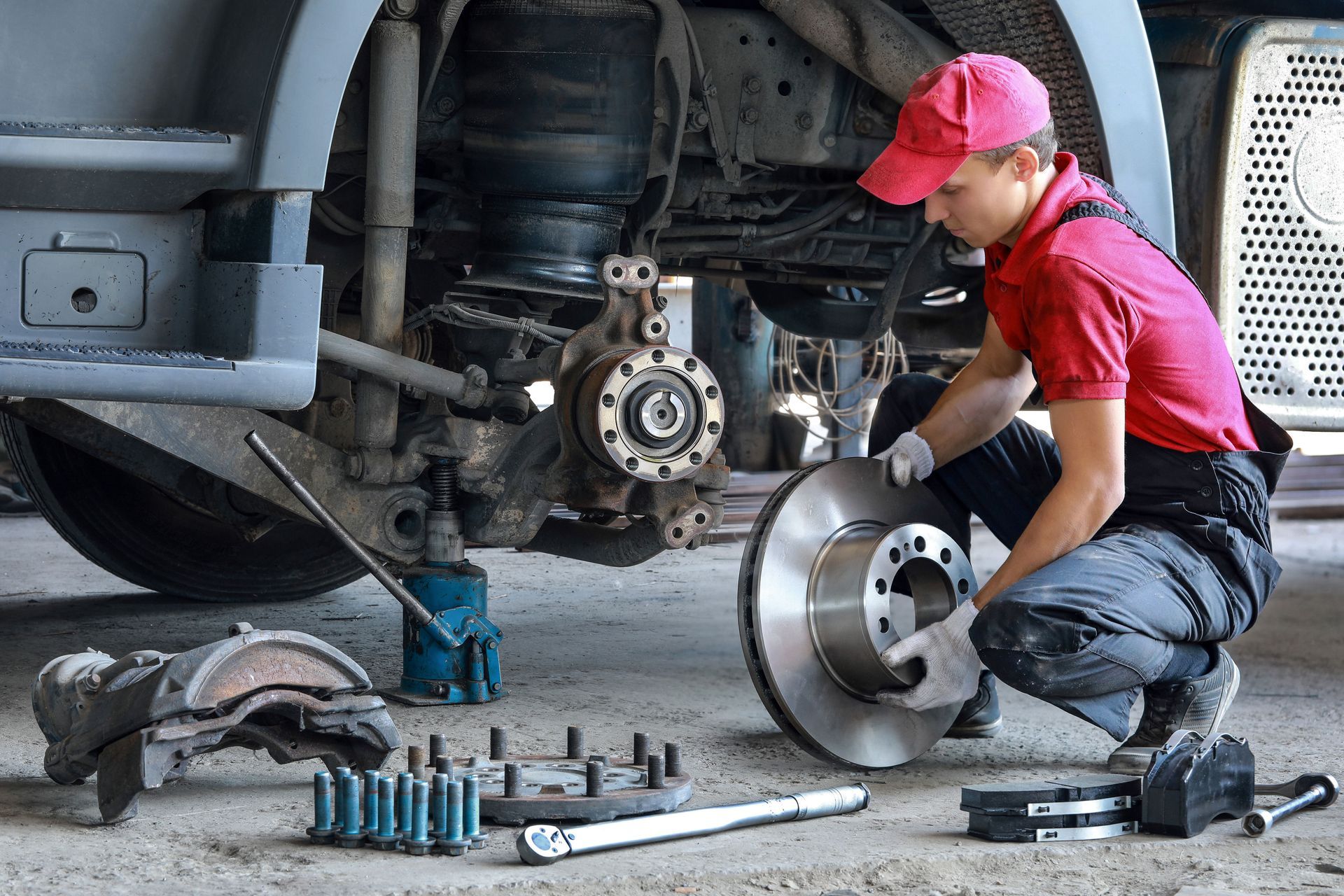
Professional repair services may involve straightening bent rims, welding small cracks, refinishing surfaces, or restoring protective coatings. These processes are designed to return the wheel as close as possible to its original condition. Experienced technicians will also inspect surrounding components such as tires and suspension parts to ensure the entire system is functioning correctly.
Your vehicle’s wheels endure constant stress from road conditions, impacts, and everyday driving. By staying proactive and scheduling inspections when needed, you can ensure timely wheel repair and keep your vehicle performing safely and smoothly on the road. If you are looking for a reliable wheel service, contact Velvet Touch Wheel Services today to learn more and get started!