January 15, 2026
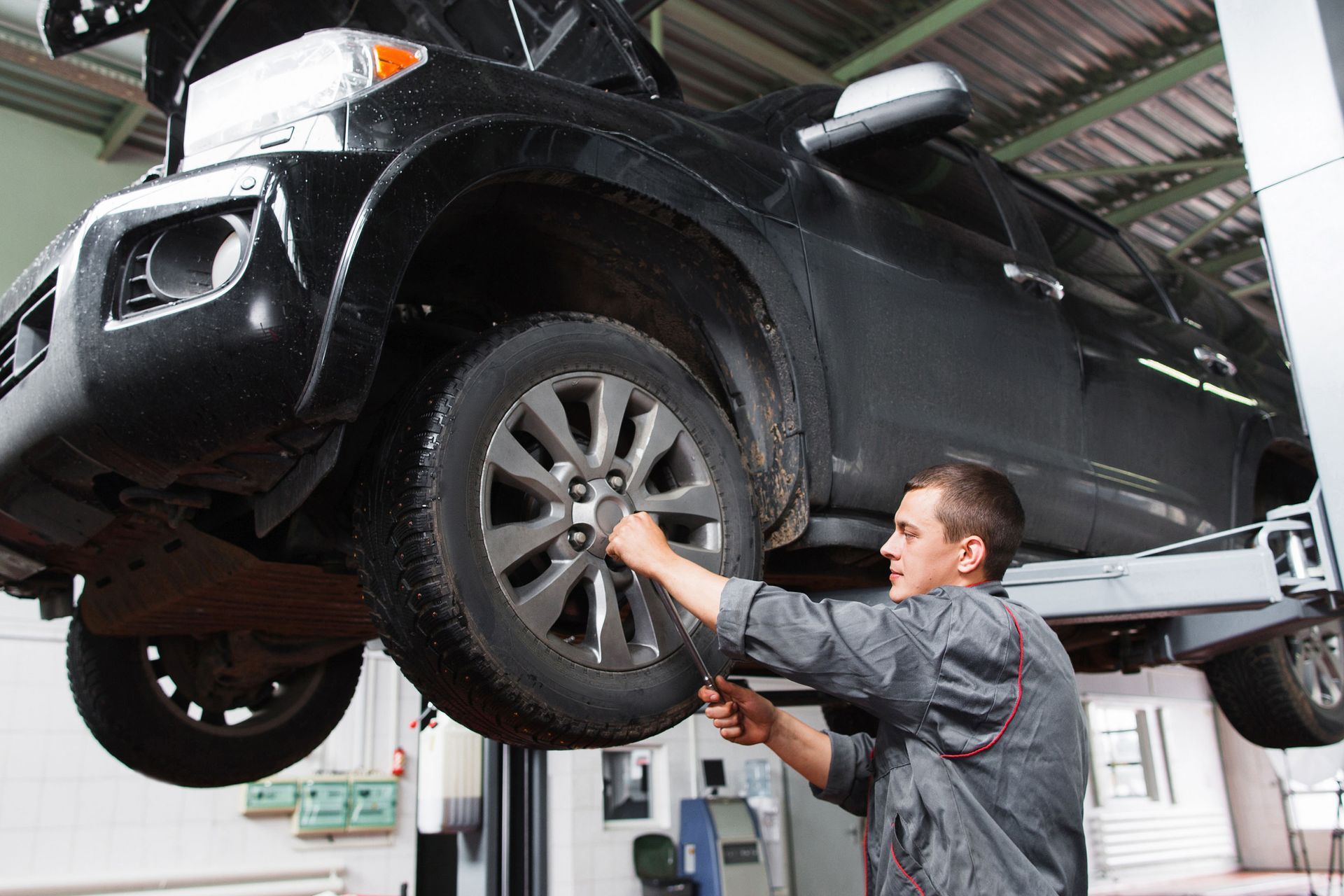
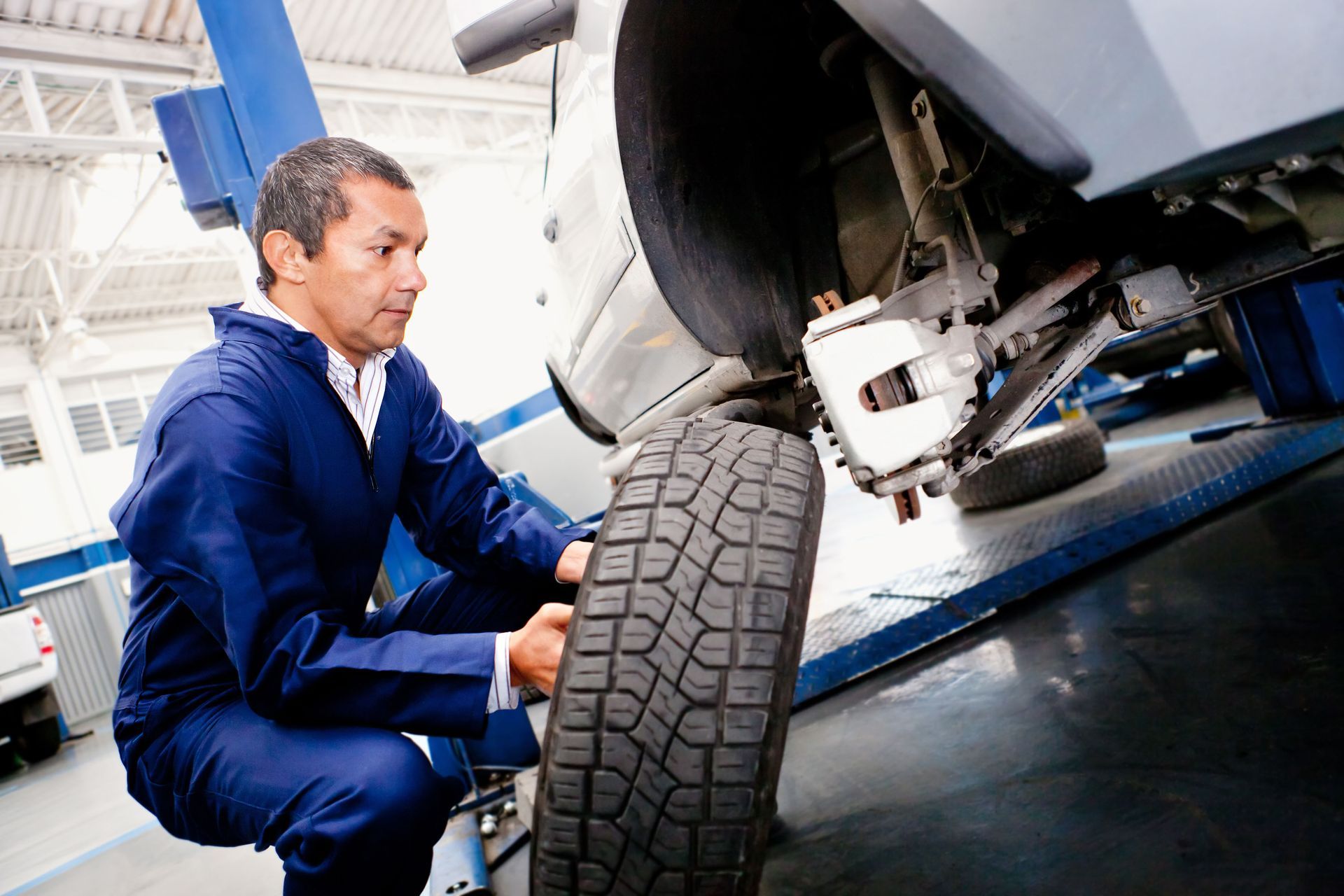
Understanding the critical role of tire wheel repair is fundamental for ensuring safety, enhancing performance, and prolonging the lifespan of your vehicle. This article explores why regular maintenance is crucial, covering various aspects from safety to environmental impact. The maintenance of tire wheels not only ensures your safety but also benefits the economy and environment. Regular check-ups and upkeep can save lives and prevent accidents caused by tire failures. Staying informed about tire maintenance can have significant financial and ecological implications.
Safety Implications of Tire Wheel Maintenance
Tire failures are a significant safety concern on roads worldwide. When tires fail, drivers can lose control, leading to accidents that can endanger lives. Regular maintenance helps in identifying potential failures before they become major issues. Understanding the reasons behind tire failures like punctures, blowouts, or tread separations is key to prevention. Timely interventions can significantly lower the risk of accidents caused by tire-related problems.
The root causes of tire failures vary, but common factors include improper inflation, excessive wear, and manufacturing defects. Regular inspections can catch these issues early, ensuring that the tires remain in peak condition. Maintaining the right tire pressure is paramount, as underinflated tires can overheat and fail. By regularly checking and maintaining tires, drivers can improve their safety and the safety of others on the road. This proactive approach can lead to fewer on-road incidents and a safer driving experience for all.
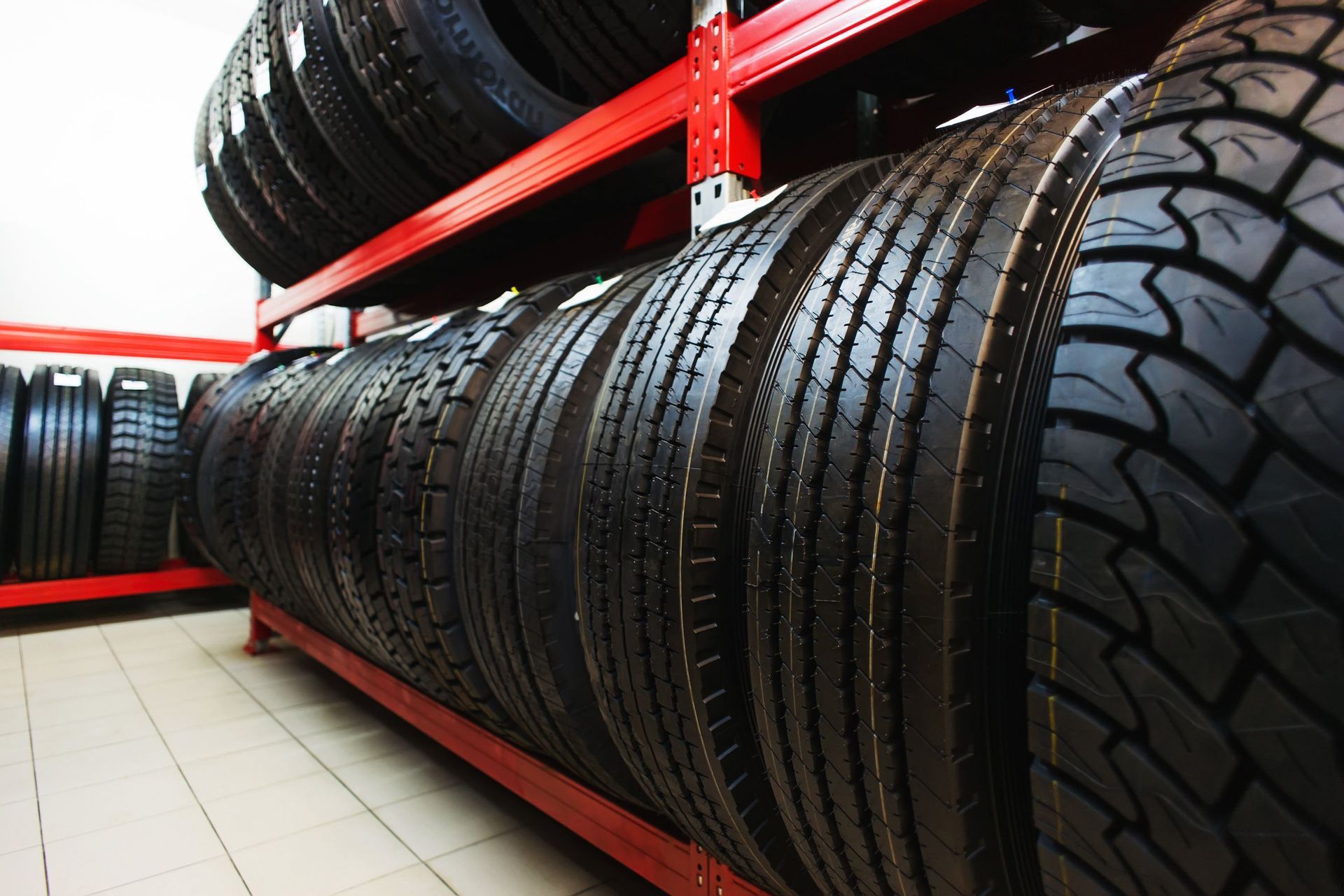
According to Fortune Business Insights, wheels and tires held the largest market share of the automotive aftermarket industry, accounting for 39.5% of all replacement part market segments. This statistic signifies the widespread need for tire maintenance and replacement, and the importance of wheel repair. It's essential for vehicle owners to understand that investing in quality tires and consistent maintenance can reduce the likelihood of tire failures. By doing so, they contribute to a safer driving environment and support a critical segment of the automotive industry.
Tread depth is crucial when evaluating tire health, as it directly affects a vehicle's grip on the road. Tires with adequate tread provide the necessary friction, which is essential in preventing hydroplaning on wet surfaces. Over time, tread wears down, reducing a tire's ability to effectively grip the road. This is why routine checks and ensuring sufficient tread depth are important for maintaining optimal traction. Drivers should regularly inspect their tires and replace them once the tread reaches unsafe levels.
Worn-out tread can compromise a vehicle's braking distance, making it difficult to stop in emergency scenarios. A tire with low tread depth struggles to maintain traction, especially in adverse weather conditions. This reduced grip can pose significant challenges in maneuvering the vehicle safely. It's crucial for vehicle owners to recognize the signs of tread wear and take timely actions to replace affected tires. Regular monitoring can ensure a vehicle maintains its intended performance and safety levels.
Economic Benefits of Tire Wheel Maintenance
One of the often-overlooked benefits of regular tire maintenance and wheel repair is the impact on fuel efficiency. Well-maintained tires with proper tread depth and inflation reduce rolling resistance, requiring less energy to move the vehicle forward. This increased efficiency translates directly into fuel savings, making regular tire maintenance and wheel repair economically beneficial. By ensuring tires are in optimal condition, drivers spend less on fuel over time. This not only saves money but also contributes to environmental conservation through reduced emissions.
Conversely, improperly maintained tires can increase fuel consumption due to higher rolling resistance. For instance, under-inflated tires can cause the engine to work harder, consuming more fuel for the same distance traveled. Regular tire inspections, including pressure checks, ensure that vehicles maintain optimal fuel efficiency. This, in turn, reduces the overall cost of vehicle operation for drivers. Implementing routine maintenance schedules is a cost-effective strategy for maximizing vehicle performance and minimizing fuel expenses.
Tire maintenance also includes ensuring that the tire alignment is correct, as misaligned tires can further increase fuel consumption. By regularly checking alignment and making necessary adjustments, drivers can optimize their vehicle's fuel efficiency. This demonstrates that various tire maintenance aspects and their collective impact on operating costs are interconnected. Through comprehensive tire care, drivers can save on fuel, reduce maintenance costs, and extend the longevity of their vehicular investment.
Routine tire maintenance and wheel repair services are key to extending the life of your tires, maximizing their value and performance. By preserving tire condition through regular inspections and adjustments, drivers can lengthen the lifespan of their tires. This proactive care includes maintaining proper inflation, alignment, and regular rotations; each check is important for ensuring even wear. Extended tire life means fewer replacements, saving on the costs associated with purchasing new tires. This represents a significant financial benefit for vehicle owners who maintain their tires diligently.
Simple practices, such as regular tire rotation, help distribute wear evenly across all tires. This prevents one area or tire from wearing out quicker than the others, which could necessitate premature replacement. Consistently maintaining the correct tire pressure and alignment further extends a tire's useful life. Ensuring that tires wear evenly not only prolongs their lifespan but also enhances the vehicle's safety and performance. Thus, extending tire lifespan through maintenance is both an economically wise and safety-conscious strategy.
Environmental Considerations
Proper tire maintenance and wheel repair play a vital role in minimizing rubber waste, contributing to environmental conservation efforts. Regular upkeep ensures tires remain in good condition longer, delaying the need for disposal and resultant environmental impact. This approach minimizes the volume of tire waste directed to landfills and incineration facilities, reducing pollution and resource strain. Effective maintenance strategies not only extend tire lifespan but also support sustainable waste management practices. This dual benefit exemplifies how responsible tire care can contribute positively to environmental sustainability.
The production and disposal of tires have significant environmental impacts due to the raw materials and energy required. Minimizing tire replacements by extending their lifespan through maintenance helps conserve these valuable resources. This practice reduces the ecological footprint of tire manufacturing and disposal processes, promoting more sustainable outcomes. Vehicle owners play an active role in these environmental efforts through their tire maintenance habits. By prioritizing tire upkeep, they support broader conservation initiatives while enjoying enhanced vehicle performance.
Aside from prolonging tire life, maintenance practices like proper inflation and alignment contribute to overall environmental sustainability. These efforts result in better fuel efficiency, reducing emissions and air pollution. Every small step taken towards optimizing tire condition accumulates into significant environmental benefits over time. Encouraging widespread adoption of these practices supports global environmental goals by reducing tire waste and emissions. Maintaining tires not only proves financially and operationally beneficial but also aligns with sustainable living principles.
Tire maintenance has a direct impact on fuel efficiency, which can significantly reduce a vehicle's emissions. Well-maintained tires reduce rolling resistance, cutting down the amount of fuel consumed during travel. This improved fuel efficiency translates into lower emissions, as the vehicle requires less energy to operate. For environmentally conscious drivers, this means a reduced carbon footprint and less air pollution contributed by their vehicles. Through simple and consistent maintenance practices, drivers can adopt a sustainable approach to vehicle operation.
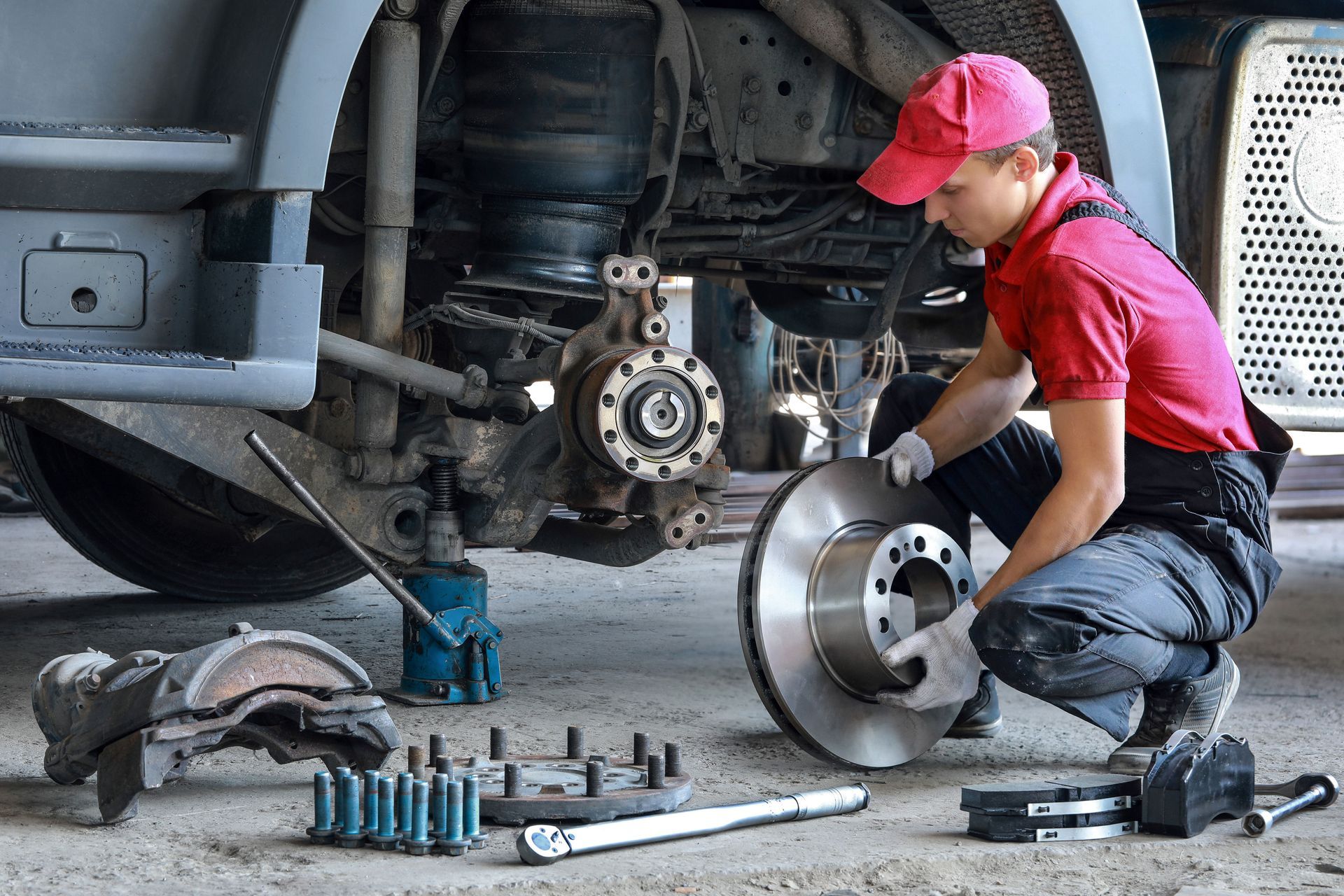
Efforts to enhance fuel efficiency extend beyond economic benefits to supporting global climate initiatives. Vehicles with optimized fuel efficiency release fewer greenhouse gases, aiding in mitigating adverse climate effects. Regular maintenance practices such as tire pressure checks, alignment, and wheel repair ensure the vehicle operates at peak efficiency, minimizing harmful emissions. As vehicle operators adopt these practices, they actively participate in the reduction of automobile-related environmental impacts. The collective effect of these changes leads to measurable improvements in air quality and resource conservation. If you think your car's wheels need maintenance or repair, reach out to Velvet Touch Wheel Services today!